List of 110 Interview Questions PepsiCo: Key Preparation Guide


Preparing for a job interview at PepsiCo, give your best and make a great first impression. This blog post gives you a list of 110 common interview questions that you might be asked when interviewing at PepsiCo.
By reviewing these questions, you can understand what PepsiCo looks for in its candidates and get ready to answer confidently.

You will find questions about your work experience, how you solve problems, and how you fit with PepsiCo’s company values. Each question in the list is designed to help you think about what you want the interviewer to know about you.
If you are looking for real examples of what you might be asked, going through this list can help you practice your answers and show that you’re prepared.
Overview of PepsiCo Interview Process
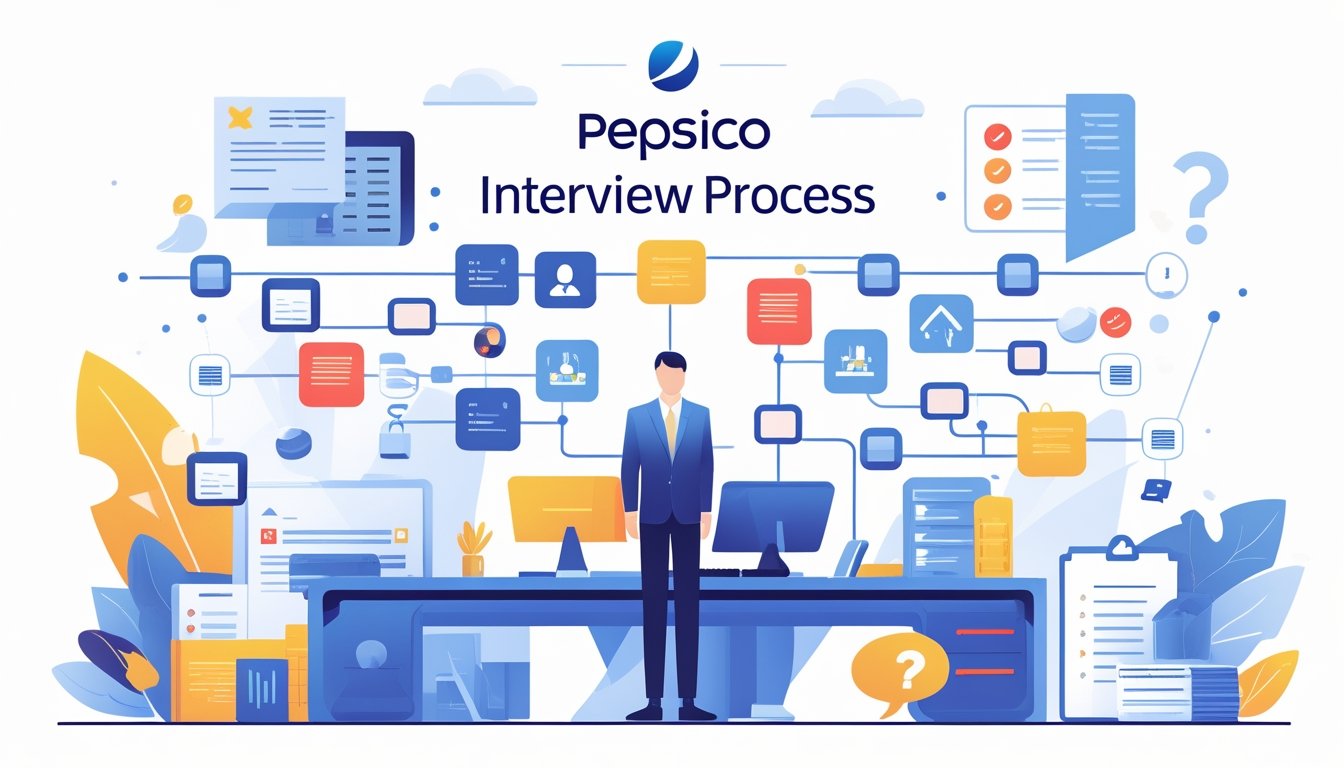
The PepsiCo interview process tests your skills, experience, and cultural fit for the company. Communicating clearly and preparing with the right resources can give you an advantage.
What Recruiters Look For
PepsiCo recruiters focus on both technical and soft skills. They often expect you to show strong problem-solving abilities, teamwork, and adaptability. Communication is the key—interviewers want to see that you can share your ideas and work well with others.
You should also show an understanding of PepsiCo’s core values, including respect, responsibility, and integrity. Recruiters may ask for examples from your past work where you demonstrated these values.
PepsiCo often values candidates who stay calm under pressure and manage multiple tasks. Leadership potential is important for many roles, so be ready to share times you led a team or solved challenges.
Interview Preparation Tips at PepsiCo
Start by researching PepsiCo through their website, recent news, and social platforms. Read about their products, company culture, and recent projects. Familiarize yourself with typical interview formats the company uses, such as virtual interviews, group interviews, or case studies.
Preparation can be more effective with practice. Use resources like sample interview questions, mock interviews, and feedback from trusted contacts. Prepare clear, concise answers for behavioral questions using the STAR method.
Dress professionally and plan to join interviews early. Prepare your own questions about the role, team, and company values to show your interest and engagement. Good preparation can help you communicate confidently and make a positive impression.
General Interview Questions at PepsiCo

PepsiCo interviews use a variety of question types to test your skills, experience, and the way you approach challenges. You will need to give real examples and explain your actions and results in detail.
Common Behavioral Questions PepsiCo Interview
Behavioral questions at PepsiCo aim to understand how you have handled past situations. Be ready to share stories that highlight your teamwork, leadership, and problem-solving ability.
Common questions include:
- Tell me about a time you faced a conflict at work.
- Describe a situation where you showed leadership.
- Give an example of when you worked on a team.
- Share a time when you solved a difficult problem.
- Tell me about a mistake you made and what you learned.
- Describe a stressful situation and how you managed it.
- Give an example of reaching a goal under a tight deadline.
- Tell me about a time you received critical feedback.
- Describe when you had to adapt quickly at work.
- Tell me about a time you went above and beyond your duties.
Your answers should be honest and show your growth and ability to learn from experiences.
Situational Interview Topics
Situational questions test how you would handle possible company scenarios. You’ll often be asked how you’d react in circumstances involving team disagreements, shifting priorities, or meeting high expectations.
Some examples are:
- What would you do if two team members were not getting along?
- If your manager gives you a task with little guidance, what’s your approach?
- How would you prioritize projects with tight deadlines?
- What if you realize a project is about to miss its goal?
- How would you give feedback to a struggling coworker?
- If you notice a process can be improved, what would you do?
- How would you handle an upset customer complaint?
- What steps would you take if your team misses a performance target?
- How do you react if given a new responsibility outside your knowledge area?
- If instructions change suddenly, what is your first step?
PepsiCo wants you to show clear thinking, empathy, and focus on resolving issues.
Experience and Achievements PepsiCo Interview
PepsiCo interviewers focus on your career highlights, personal experience, and growth. You need to explain your main achievements and back them up with specific results and examples.
Typical questions:
- What professional accomplishment are you most proud of?
- Describe a project where you exceeded expectations.
- Tell me about a skill you have improved over your career.
- What experience do you have that best prepares you for this role?
- Which role in your past involved the greatest challenge?
- How have you contributed to your previous teams’ success?
- What is your biggest career failure and how did you recover?
- Share a situation where your performance stood out.
- How do you stay organized in complex projects?
- What steps did you take to advance your career?
Focus on quantifiable results when possible, like increased sales figures or improved performance.
Project Management Roles
If you are interviewing for a project management position, you will be asked about planning, execution, and leadership skills. PepsiCo values efficiency, clear communication, and ability to meet targets.
Questions include:
- Describe a project you managed from start to finish.
- How did you handle missed deadlines in past projects?
- What tools have you used for project management?
- How do you manage competing priorities among team members?
- Give an example of resolving a project conflict.
- How did you track the progress and performance of your team?
- Can you explain how you allocate resources for a project?
- What is your communication style with stakeholders?
- How do you set and measure project goals?
- Tell me about a time you took charge during a project setback.
Specific answers about personal experiences, project scope, and outcomes are expected.
Analytics and Data-Driven Questions PepsiCo Interview
PepsiCo uses data for many business decisions, making analytical skills a must. You may need to discuss your experience with data analysis and making recommendations based on evidence.
Sample questions:
- How do you use data to solve business problems?
- Describe a time you turned analysis into action.
- What tools or software have you used for analytics?
- Share an example of when your analysis improved performance.
- How do you check data for accuracy?
- Tell me about a complicated dataset you worked with.
- What is your approach to presenting findings to non-technical colleagues?
- How do you prioritize competing data sources?
- Can you describe a time when data helped you spot a new opportunity?
- What is your process when you notice a sudden drop in performance metrics?
Emphasize results, your process, and how your findings benefited the company.
Sales and Market Share Focus
In sales-related roles, PepsiCo looks for skills in negotiation, market understanding, and customer engagement. They expect you to show how you have driven sales and built market share.
Key questions:
- How have you identified new sales opportunities?
- Tell me about a negotiation that resulted in a win for your company.
- What methods have you used to increase market share?
- Describe your most successful client relationship.
- How do you stay ahead of competitors in your industry?
- What’s your approach to meeting or exceeding sales targets?
- Give an example of how you handled a lost sale.
- How do you gather and use market intelligence?
- Tell me about a creative sales strategy you implemented.
- What have you done to boost team performance in sales?
Focus on your personal role, strategies used, and measurable business results. Lists, short examples, and clear outcomes help show your experience.
List of 110 PepsiCo Interview Questions

When preparing for an interview at PepsiCo, it is helpful to review a wide range of questions. Common topics include your performance at previous jobs, your skills, and how you use your time.
1. Describe a time when you had to influence others without authority.
Sample Answer:
In my previous role, I noticed a process inefficiency that affected multiple departments. I didn’t have direct authority over those teams, so I scheduled informal meetings to share my observations and listen to their concerns.
By presenting data and showing how the change could benefit everyone, I gained their buy-in and collaborated with them to implement the new process, which improved efficiency by 15%.
2. Tell me about a time you had to learn a new skill quickly.
Sample Answer:
When my company adopted a new CRM system, I had little prior experience with it. I dedicated extra hours to online tutorials and sought advice from more experienced colleagues.
Within two weeks, I was proficient enough to train my team, which helped smooth the transition and maintain productivity.
3. Describe a situation where you had to manage multiple stakeholders.
Sample Answer:
During a product launch, I coordinated between marketing, sales, and supply chain teams. I held regular update meetings and used a shared project management tool to ensure transparency.
By managing expectations and facilitating communication, we launched on time and exceeded sales targets by 10%.
4. How do you handle ambiguity in your work?
Sample Answer:
I focus on gathering as much information as possible and identify what is within my control. I prioritize tasks based on business impact and remain flexible, adjusting plans as new information emerges.
This approach helped me successfully navigate a product recall situation with limited initial details.
5. Share an example of a time you had to make a tough decision with incomplete information.
Sample Answer:
In a previous role, I had to decide whether to delay a shipment due to potential quality issues. Without full lab results, I consulted with quality assurance and logistics, weighed risks, and chose to delay.
This prevented customer dissatisfaction and reinforced our commitment to quality.
6. Tell me about a time when you had to persuade a team to change direction.
Sample Answer:
While working on a marketing campaign, new consumer data suggested a different target audience. Some team members were resistant due to sunk costs.
I presented the data clearly, highlighted potential gains, and proposed a pilot test. The team agreed, and the new approach led to a 20% increase in engagement.
7. Describe a situation where you failed to meet a goal and how you responded.
Sample Answer:
Early in my career, I missed a sales target due to overestimating client interest. I analyzed what went wrong, sought mentorship, and adjusted my approach to better qualify leads.
The next quarter, I exceeded my target by 15%.
8. How do you handle working under pressure?
Sample Answer:
I stay organized by breaking down tasks and prioritizing them. I also practice mindfulness techniques to stay calm. During a product launch with a tight deadline, this approach helped me maintain focus and deliver all tasks on time.
9. Tell me about a time you had to manage a conflict between team members.
Sample Answer:
Two team members disagreed on resource allocation. I facilitated a meeting where each could voice concerns and encouraged them to find common ground.
We agreed on a compromise that balanced priorities and improved collaboration.
10. Describe a time when you had to deliver bad news to a client or colleague.
Sample Answer:
I had to inform a client that their order would be delayed due to supply issues. I communicated proactively, explained the reasons transparently, offered alternatives, and followed up regularly. The client appreciated the honesty and continued the partnership.
11. How do you motivate a team during challenging times?
Sample Answer:
I focus on clear communication, recognizing individual contributions, and reinforcing the team’s purpose. During a budget cut, I held regular check-ins, celebrated small wins, and encouraged open dialogue, which helped maintain morale and productivity.
12. Describe your leadership style.
Sample Answer:
I practice servant leadership, focusing on supporting my team’s growth and removing obstacles. I encourage collaboration, provide clear goals, and empower team members to take ownership of their work.
13. Tell me about a time when you had to delegate tasks effectively.
Sample Answer:
While managing a product launch, I delegated research tasks based on team members’ strengths. I provided clear instructions and deadlines, and held brief daily check-ins to monitor progress. This ensured the project stayed on track and leveraged everyone’s expertise.
14. How do you handle underperforming team members?
Sample Answer:
I address performance issues with empathy, seeking to understand underlying causes. I set clear expectations, provide support and training, and establish regular feedback sessions. This approach helped a struggling team member improve and regain confidence.
15. Describe a time you led a cross-functional team.
Sample Answer:
At my last company, I led a team including marketing, sales, and R&D to develop a new product. I coordinated schedules, facilitated communication, and ensured alignment on goals. The product launched successfully and generated $1M in revenue in the first year.
16. How do you build trust within your team?
Sample Answer:
I build trust by being transparent, consistent, and approachable. I listen actively to concerns, follow through on commitments, and recognize contributions openly.
17. Share an example of how you developed someone professionally.
Sample Answer:
I mentored a junior analyst by assigning progressively challenging tasks, providing regular feedback, and encouraging participation in training. Within a year, they were promoted to a senior role.
18. How do you handle disagreements within your team?
Sample Answer:
I encourage open communication and active listening. When disagreements arise, I facilitate discussions to understand all perspectives and guide the team toward a consensus or compromise.
19. Describe a situation where you had to manage a remote or virtual team.
Sample Answer:
During the pandemic, I managed a remote team by establishing clear communication channels, scheduling regular video check-ins, and setting clear expectations. This maintained productivity and team cohesion despite physical distance.
20. How do you celebrate team successes?
Sample Answer:
I recognize achievements publicly during meetings, send personalized thank-you notes, and organize informal celebrations to boost morale and reinforce a culture of appreciation.
21. How do you ensure projects stay on track and within budget?
Sample Answer:
I set clear milestones, monitor progress regularly using project management tools, and communicate proactively about risks. When issues arise, I work with stakeholders to adjust plans and resources accordingly.
22. Tell me about a time when you had to adjust a project plan due to unforeseen circumstances.
Sample Answer:
A supplier delay threatened our timeline. I quickly identified alternative vendors, negotiated expedited shipping, and communicated changes to the team and clients. This minimized disruption and kept the project on schedule.
23. Describe your approach to risk management in projects.
Sample Answer:
I identify potential risks early, assess their impact and likelihood, and develop mitigation strategies. I monitor risks continuously and adjust plans as necessary to minimize negative outcomes.
24. How do you handle competing deadlines?
Sample Answer:
I prioritize based on business impact and deadlines, communicate proactively with stakeholders about capacity, and delegate tasks when possible to ensure all critical deadlines are met.
25. Tell me about a time you used project management software effectively.
Sample Answer:
I used Asana to coordinate a multi-department product launch. By assigning tasks, setting deadlines, and tracking progress, the team stayed aligned, and we met our launch date without issues.
26. How do you prioritize tasks when everything seems urgent?
Sample Answer:
I evaluate tasks based on impact, deadlines, and dependencies. I communicate with stakeholders to clarify priorities and focus on high-impact activities first, while managing expectations for less urgent tasks.
27. Describe a time when you had to manage a project with limited resources.
Sample Answer:
During a budget cut, I reprioritized project components, negotiated with vendors for discounts, and leveraged internal resources creatively. This allowed us to deliver core features on time and within the new budget.
28. How do you handle scope creep in projects?
Sample Answer:
I set clear project objectives upfront and communicate the impact of additional requests on timelines and budgets. I work with stakeholders to evaluate and approve any changes formally.
29. Tell me about a time you had to coordinate with external vendors or partners.
Sample Answer:
I managed a vendor onboarding process, setting clear expectations, conducting regular check-ins, and ensuring deliverables met quality standards. This partnership improved supply chain efficiency by 10%.
30. How do you keep stakeholders informed during a project?
Sample Answer:
I provide regular status updates through emails, dashboards, and meetings. I tailor communication to stakeholder needs, highlighting risks, milestones, and decisions required.
31. Describe a time when you identified a problem before it became critical.
Sample Answer:
I noticed a recurring delay in raw material delivery that could impact production. I alerted management early and worked with procurement to find alternative suppliers, preventing a potential shutdown.
32. How do you approach root cause analysis?
Sample Answer:
I gather data, interview stakeholders, and use tools like the “5 Whys” or fishbone diagrams to identify underlying causes. This ensures solutions address the real problem, not just symptoms.
33. Tell me about a time you used data to influence a business decision.
Sample Answer:
Analyzing sales data, I identified a decline in a product line. I presented insights to marketing, which led to a targeted campaign that reversed the trend and increased sales by 12%.
34. Describe a complex problem you solved and the steps you took.
Sample Answer:
When inventory discrepancies arose, I led a cross-functional team to audit processes, identify errors, implement new tracking systems, and train staff, reducing errors by 5%.
35. How do you validate the accuracy of your data analysis?
Sample Answer:
I cross-check data sources, use automated validation tools, and perform sanity checks against historical trends. I also seek peer reviews to ensure accuracy.
36. Tell me about a time when you had to analyze conflicting data.
Sample Answer:
Sales data and customer feedback conflicted on product satisfaction. I conducted additional surveys and focus groups, uncovering regional differences that helped tailor marketing strategies.
37. How do you stay objective when analyzing data?
Sample Answer:
I focus on facts and avoid assumptions. I use standardized methods and seek peer input to reduce bias.
38. Describe a time when your recommendation was initially rejected and how you handled it.
Sample Answer:
I proposed a new supplier that was initially rejected due to perceived risk. I gathered more data, arranged a pilot test, and demonstrated benefits, leading to eventual approval.
39. How do you balance short-term fixes with long-term solutions?
Sample Answer:
I address urgent issues to maintain operations but concurrently develop sustainable solutions to prevent recurrence.
40. Tell me about a time you used creative thinking to solve a problem.
Sample Answer:
Faced with limited marketing budget, I partnered with influencers for product promotion, increasing reach without significant cost.
41. How do you tailor your sales approach to different customer segments?
Sample Answer:
I research each segment’s needs and preferences, then customize messaging and offers. For example, I used data to segment customers by size and industry, tailoring demos accordingly.
42. Describe a time you successfully launched a new product or campaign.
Sample Answer:
I led a regional launch with coordinated marketing, sales training, and customer engagement. The campaign exceeded sales targets by 10% in the first quarter.
43. How do you measure the success of a marketing campaign?
Sample Answer:
I track KPIs like sales growth, customer acquisition, engagement rates, and ROI to evaluate performance and inform future campaigns.
44. Tell me about a time you handled a difficult negotiation.
Sample Answer:
Negotiating contract terms with a supplier, I balanced cost reduction with quality requirements, resulting in a 10% price cut without compromising standards.
45. Describe how you maintain long-term client relationships.
Sample Answer:
I maintain regular communication, provide value beyond sales, and proactively address concerns, which helped increase client retention by 10%.
46. How do you handle objections from prospective clients?
Sample Answer:
I listen carefully to understand concerns, provide clear information addressing objections, and share relevant success stories to build trust.
47. Tell me about a time you exceeded your sales quota.
Sample Answer:
By identifying upsell opportunities and strengthening relationships, I exceeded my quota by 15% in a challenging quarter.
48. How do you stay motivated during a slow sales period?
Sample Answer:
I set small, achievable goals, focus on skill development, and maintain a positive mindset by reflecting on past successes.
49. Describe a time you collaborated with marketing to increase sales.
Sample Answer:
I worked closely with marketing to tailor promotional materials based on customer feedback, resulting in a 15% increase in lead conversion.
50. How do you gather customer feedback and incorporate it into your strategy?
Sample Answer:
I use surveys, interviews, and social media listening to collect feedback. I analyze trends and work with product and marketing teams to adjust offerings accordingly.
Frequently Asked Questions: PepsiCo Interview
PepsiCo uses a detailed interview process with multiple rounds, including both behavioral and technical questions. You may need to show specific skills and qualities, depending on the job you apply for.
What are some common behavioral interview questions asked by PepsiCo?
You may be asked to give examples of teamwork, leadership, or conflict resolution. Common questions include, “Tell me about a time you handled a tight deadline,” or “Describe a situation where you had to solve a difficult problem.”
You also may face questions about how you handle feedback, adapt to change, or motivate others on your team.
Can you describe the PepsiCo interview process step by step?
First, you apply online and complete any required assessments. If selected, you usually have a phone or video screening with a recruiter.
Next, you may be invited for one or more interviews, either in-person or virtually. These interviews often focus on both your skills and your fit with PepsiCo’s values and culture.
Could you provide an overview of the various interview rounds one might face at PepsiCo?
You might go through an initial HR screening, followed by one or more rounds with hiring managers or panels.
Some jobs include case studies, group exercises, or technical tests. For higher-level roles, there may be multiple interviews with different leaders.
What technical knowledge is essential for candidates interviewing for technical positions at PepsiCo?
You should have a strong understanding of your technical field, such as engineering, IT, or supply chain. Questions may cover industry standards, relevant tools, software, and problem-solving techniques.
Some roles may require you to show knowledge of automation, data analysis, or manufacturing processes.
What are the key qualities that PepsiCo looks for in potential employees?
PepsiCo values adaptability, teamwork, and communication skills. They also look for candidates who can show strong problem-solving abilities and a willingness to learn.
A positive attitude and a commitment to PepsiCo’s core values are important for many roles.
All the Best!