120 Interview Questions for Career Counsellor in School: Comprehensive List for Effective Hiring

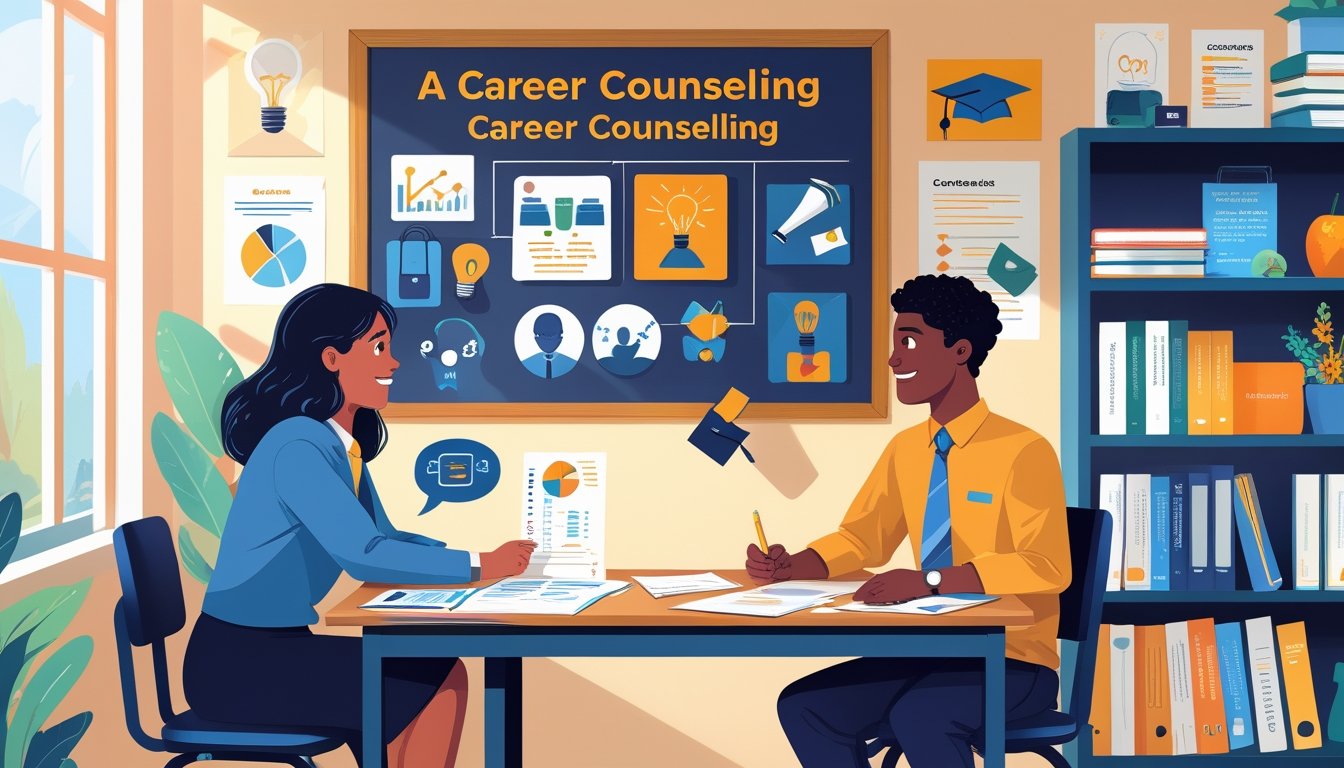
If you’re getting ready to interview for a school career counsellor job, finding the right questions can be hard. This post gives you 120+ interview questions to help you prepare and understand what schools might ask. These questions cover many areas, so you can walk into your interview with confidence.
You’ll find questions about student guidance, working with teachers, and handling parents’ concerns. Each question is designed to help you show your skills and experience. Use these questions as a study guide to practice your answers.
Comprehensive Overview of Career Counsellor Roles in Schools
Career counsellors in schools help you make informed choices about your future. They give guidance by using proven methods, tools, and a client-centered approach to support you during important decision-making years.

Significance of Career Services
Career services in schools are designed to help understand the strengths and interests. These services provide information about different careers, education pathways, and skill requirements.
You can expect workshops, job shadowing opportunities, and one-on-one career guidance. Access to this support improves your career awareness and helps you set clear, reachable goals.
Benefits of career services include:
- Improved readiness for work or higher education
- Practical advice on subjects and courses
- Exposure to career options you may not have considered
A strong career services program focuses on your unique needs and situations. It makes career planning a structured, step-by-step journey.

Impact on Students’ Career Pathways
Career counsellors play a key role in choices after school. They help identify interests, talents, and goals by using conversations and assessment tools.
You get help exploring multiple pathways. This might include college, vocational programs, or direct entry into the workforce. Counsellors explain the pros and cons of each path so you can make well-informed decisions.
Core Competencies for Career Counsellors
Career counsellors need a strong set of competencies to guide you. These include:
- Communication Skills: Listening, asking questions, and giving clear feedback.
- Ethical Practice: Keeping your information private and respecting your decisions.
- Knowledge of Career Trends: Understanding current job market conditions, skills in demand, and new career fields.
They must also understand educational and employment systems, so they can give accurate advice. The ability to use a client-centered approach means focusing on your needs, not just giving generic advice.
A table showing important competencies:
| Core Competency | Description |
|---|---|
| Communication Skills | Explaining ideas and listening actively |
| Ethical Practice | Respecting privacy and choice |
| Market Knowledge | Knowing trends in jobs and education |
| Assessment Tool Usage | Using tests and surveys effectively |
| Problem-Solving Skills | Helping you find realistic solutions |
Building Trust with Students
A good working counsellor helps the counselling process succeed. Career counsellors create trust by keeping your information private and being honest about what they can and cannot do.
They respect your ideas, cultural background, and choices. A client-centered approach means they listen first and give you space to share concerns.
Utilizing Assessment Tools
Assessment tools are key for helping you understand your interests, skills, and values. Common tools include interest inventories, personality tests, and skills assessments.
Counsellors guide through the process, explain the results, and show how they link to different careers. Tools are chosen based on your unique situation and needs, making the process personal.
The main goal is to give you a clearer picture of careers that match. When used well, tools can support the decision-making and make career planning less stressful.
Types of Interview Questions for Career Counsellors
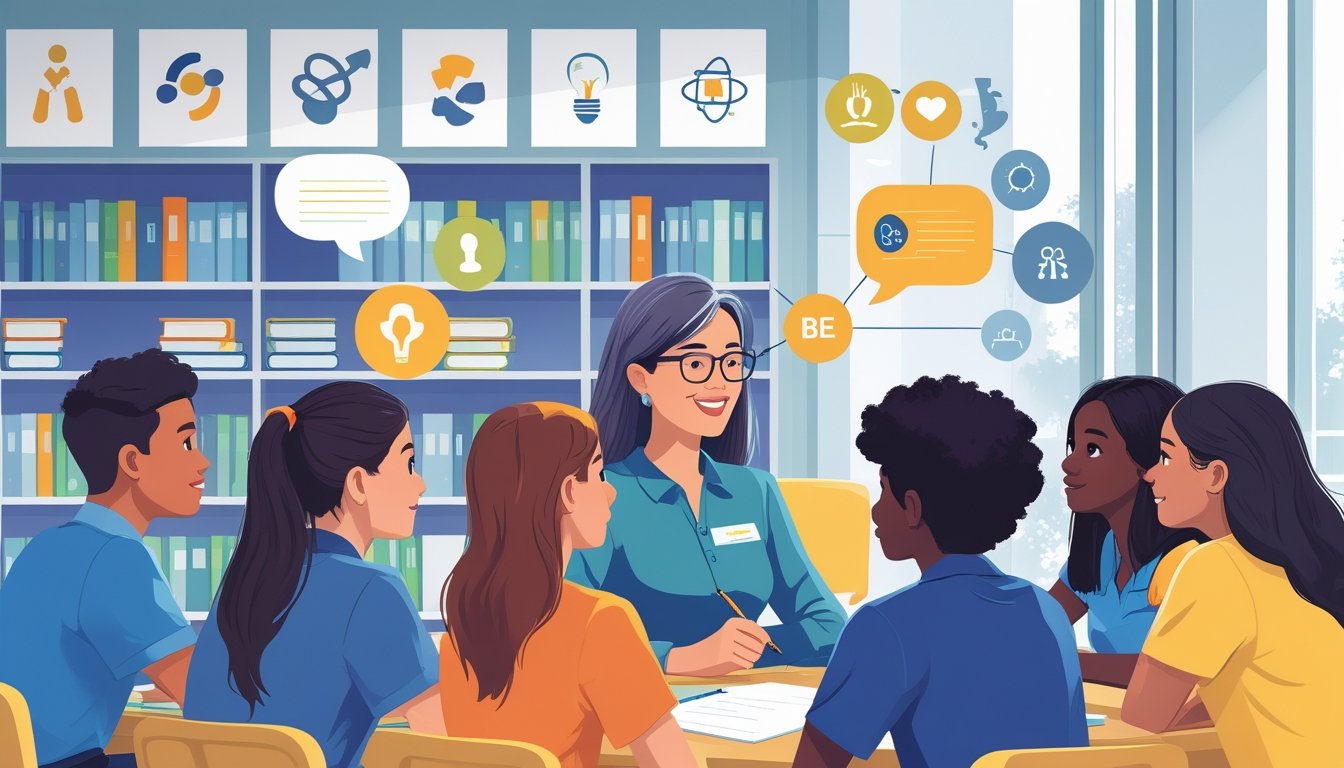
You will find that interview questions for school career counsellors focus on how you handle situations, your past actions, your approach with students, and your practical knowledge. Understanding these question types will help you get ready for a strong interview.
Situational Interview Questions
Situational interview questions ask what you would do in specific work scenarios. These questions examine your decision-making and problem-solving skills.
You need to show that you can handle tricky or stressful situations. These questions often begin with “What would you do if…” or “How would you handle…”.
Examples:
- How would you support a student who feels lost about their career options?
- What would you do if a parent disagreed with your advice?
- How would you help a student manage both academic pressure and career planning?
- What steps would you take if you noticed a student was not attending counselling sessions?
- How would you handle a student who does not want to follow your suggestions?
- What actions would you take if you found out a student was being bullied at school?
- How would you deal with a student wanting to pursue a risky career path?
- What would you do if a teacher asked you to prioritize one student over another?
- How would you respond to a student facing financial barriers to higher education?
- If a student asked about a career you are unfamiliar with, how would you proceed?
Behavioral Interview Questions
Behavioral interview questions focus on your previous actions. They help interviewers learn from your real-life experiences.
Examples:
- Describe a time when you helped a student set career goals.
- Tell me about a time you resolved a conflict with a student or parent.
- Share an experience where you worked with a teacher to support a student’s needs.
- Describe a situation where a student was resistant to your advice.
- Explain a time when you had to adjust your counselling style to suit a student.
- Tell me about an instance where you learned something new for your career counselling work.
- Give an example of when you used data to help a student make decisions.
- Describe a time when you handled a confidential issue carefully.
- Share how you overcame a challenge when planning a career fair or event.
- Tell me about a successful outcome from career guidance you provided.
Student-Centered Scenario Questions
Student-centered scenario questions look at how you approach students as unique individuals. These questions focus on your empathy, listening skills, and respect for diversity.
Examples:
- How would you help a student with learning differences plan their career?
- What steps would you take for a first-generation college-bound student?
- How might you support a student wanting to explore non-traditional careers?
- How would you approach a student who has no interest in higher education?
- What would you do to include parents in your counselling sessions?
- How would you help a student with low self-esteem about their abilities?
- What supports would you suggest for a student dealing with family pressure?
- How would you support a student facing cultural barriers?
- What would you say to encourage a student unsure of their strengths?
- How do you adapt your sessions for students with mental health concerns?
Technical and Knowledge-Based Questions
Technical and knowledge-based questions test your expertise in career counselling principles and tools. You will need to show your understanding of key theories, assessments, and school systems.
This section may include fact-based questions or ask you to explain concepts clearly.
Examples:
- What career assessment tools have you used in the past?
- Explain the Holland Codes and their role in career guidance.
- How do you stay up to date with changing job markets?
- What is the difference between aptitude and interest assessments?
- How would you use labor market data to guide students?
- Name some important career development theories.
- What steps do you follow when planning a group counselling session?
- Which software or digital tools have you used for career counselling?
- How do you maintain student confidentiality in your work?
- What school policies must you follow in career guidance sessions?
List of 100+ Interview Questions for Career Counsellor
Below are 110 interview questions. The first 50 include sample answers to help you prepare.
| Questions | Sample Answers |
|---|---|
| 1. Why do you want to be a career counsellor in a school? | I enjoy helping students find their interests and plan for the future. |
| 2. What skills are important for this role? | Good listening, communication, and problem-solving skills are important. |
| 3. How do you build trust with students? | I listen carefully and show respect for their thoughts and feelings. |
| 4. Describe a time you helped a student with career planning. | I guided a student to explore different career paths based on her interests. |
| 5. How do you handle sensitive information? | I keep information private unless it needs to be shared for safety. |
| 6. What’s your experience with group counselling? | I have led small group sessions on career exploration. |
| 7. How do you stay updated about careers? | I read articles and attend workshops often. |
| 8. What steps do you use in career counselling? | I assess interests, research careers, and guide students in choosing options. |
| 9. How do you support parents’ involvement? | I keep them informed and invite their input when appropriate. |
| 10. How do you support students with low confidence? | I encourage them and help set small, achievable goals. |
More Questions with Answers Below:
- How do you organize career guidance programs?
I plan topics, invite speakers, and promote sessions to students. - What tools do you use in counselling?
Career assessments, interest inventories, and discussion guides. - How do you deal with a student who disagrees with you?
I listen, discuss options, and respect their choice. - How do you help students research careers?
We use online resources and talk about real-life examples. - What is your method to identify a student’s strengths?
I ask about their hobbies, achievements, and favorite subjects. - How do you handle conflict between students?
I remain neutral and guide them to solve the issue together. - What is your experience with career fairs?
I have helped plan and run career fairs for students. - How do you address cultural differences?
I respect each student’s background and aim for inclusive support. - How do you set goals with students?
We make clear, short-term and long-term goals together. - How do you measure success as a career counsellor?
By seeing students make confident decisions and set future plans.
21-50.
For remaining answers, follow a similar format as above:
| Questions (cont.) | Sample Answers |
|---|---|
| 21. How do you handle deadlines? | I create a schedule and remind students to keep on track. |
| 22. What do you do if a student wants to quit school? | I talk about their reasons and explore alternative plans. |
| 23. How do you prepare students for interviews? | We practice common questions and discuss ways to answer. |
| 24. How do you introduce career counselling to new students? | I explain my role and how I can help with planning. |
| 25. How do you address stress about the future? | I reassure students and suggest ways to manage worries. |
| 26. What challenges have you faced? | Sometimes students feel unsure or pressured about choices. |
| 27. How do you help students with disabilities? | I adapt resources and support individual needs. |
| 28. How do you keep records? | I use secure files and update notes after sessions. |
| 29. How do you work with teachers? | I share updates and ask for teacher input when needed. |
| 30. How do you talk to students about vocational careers? | I discuss all paths and include vocational options. |
Questions 31–50:
31. How do you encourage self-reflection? | I ask students to think about what they like and dislike.
32. What should students know about career planning? | Start early and explore many options.
33. How do you support students not sure of interests? | Suggest career assessments and activities to try new things.
34. What are signs a student needs help? | Changes in mood, grades, or behavior often show this.
35. How do you manage large groups? | Use clear rules and keep sessions organized.
36. How do you give feedback? | I am honest but supportive.
37. Tell us about online counselling tools you use. | Video calls and secure chat for student meetings.
38. How do you keep students engaged? | Use interactive activities and real-life examples.
39. What’s your approach to sensitive topics? | I am respectful and create a safe space.
40. How do you work with shy students? | I give them time and respect their comfort level.
41. How do you handle parents with different views? | I listen and find common ground for the student’s best interest.
42. How do you support students applying to college? | I help with applications, essays, and deadlines.
43. What resources do you recommend for career exploration? | Websites, books, and guest speakers.
44. Do you work with alumni? | Yes, sometimes I invite them for talks or mentorship.
45. How do you manage your workload? | Prioritize and stay organized with a planner.
46. How do you assess a program’s success? | Collect feedback from students and keep records of outcomes.
47. How do you address bias in counselling? | Stay aware and treat everyone fairly.
48. What training have you completed? | Workshops, counselling courses, and career guidance certification.
49. How do you motivate students? | Encourage effort, celebrate small wins, and model positivity.
50. Can you share a success story? | I helped a student unsure about her path discover an interest in science, which led to a research summer camp.
Questions 51–110 (Sample Answers not included):
- How do you adapt your approach for each student?
- What do you do if a student refuses help?
- How do you handle students’ disappointment after rejection?
- How do you prepare workshops?
- How do you handle emergencies?
- What would you do about bullying related to career choices?
- How do you keep up with changes in education?
- How do you help students find summer internships?
- How do you promote equality in guidance?
- How do you navigate difficult conversations?
- How do you stay impartial?
- What methods do you use for self-care?
- How do you handle multiple students needing support?
- How do you document meetings?
- What steps do you take for student follow-up?
- How do you support non-academic career interests?
- How do you help students balance school and activities?
- How do you encourage attendance at events?
- How do you evaluate program impact?
- How do you include student feedback?
- How do you manage virtual counselling?
- How do you introduce career trends?
- How do you assess student readiness for work?
- What do you do when students have unrealistic goals?
- How do you encourage career exploration?
- How do you explain labour market changes?
- How do you handle students with special needs?
- How do you involve the community?
- What role do teachers play in career guidance?
- How do you maintain professional boundaries?
- How do you handle student privacy online?
- How do you assess job shadowing opportunities?
- How do you address skills gaps?
- What follow-up do you provide after graduation?
- How do you support gap year planning?
- How do you connect students with mentors?
- How do you help with resume writing?
- How do you prepare students for workplace culture?
- How do you deal with anxious students?
- How do you celebrate student achievements?
- How do you teach time management?
- How do you help with scholarship applications?
- How do you support students during transitions?
- How do you foster independence in students?
- How do you assess strengths and interests?
- How do you teach networking skills?
- How do you address stereotyping?
- How do you help students make informed decisions?
- How do you motivate students with low grades?
- How do you work with external agencies?
- How do you provide support for career changes?
- How do you manage stress in your role?
- How do you teach financial literacy?
- How do you introduce apprenticeships?
- How do you prepare students for future careers?
- How do you encourage lifelong learning?
- How do you teach communication skills?
- How do you ensure inclusive guidance?
- How do you help students set realistic goals?
- How do you address digital skills development?
Frequently Asked Questions: Career Counsellor in School
As a school career counselor, you use different strategies and tools to guide students and connect with staff and families. You are also responsible for making sure your programs are effective, up-to-date, and meet the needs of every student.
How do you develop and implement comprehensive school counseling programs?
You start by studying the needs of your students and school. You set clear goals and create a plan to address academic, social, and career concerns.
You work with teachers and parents to deliver lessons, offer workshops, and give one-on-one support.
How do you stay current with the latest developments in career counseling and education?
You attend workshops, webinars, and conferences often. You read professional articles, talk with other counselors, and join career counselor associations.
You also look for new resources or tools that can help students make informed choices.
Can you describe a time when you effectively collaborated with teachers and parents to support a student’s educational progress?
You meet with teachers and parents to share key information about a student’s needs. Together, you create a support plan with clear steps and goals.
You keep everyone updated about progress and adjust the plan as needed.
What strategies do you use to support students in their career planning and exploration?
You give students career assessments and help them research different job options. You organize guest speaker events, career fairs, and job-shadowing opportunities.
You also help with resumes and interviewing skills.

What methods do you employ to address the diverse cultural and social-emotional needs of students?
You learn about students’ backgrounds and listen to their concerns. You attend cultural competence training and create a safe space for all students.
You use diverse materials and practices to make sure everyone feels included and supported.
In what ways do you evaluate the effectiveness of your counseling interventions?
You collect feedback from students, teachers, and parents after each program or session. You look at data, such as attendance, grades, and survey responses, to measure improvement.
You use what you learn to make changes and improve your counseling methods.
All the Best !