100 Interview Questions Martial Arts Coach: Essential Guide for Hiring and Preparation

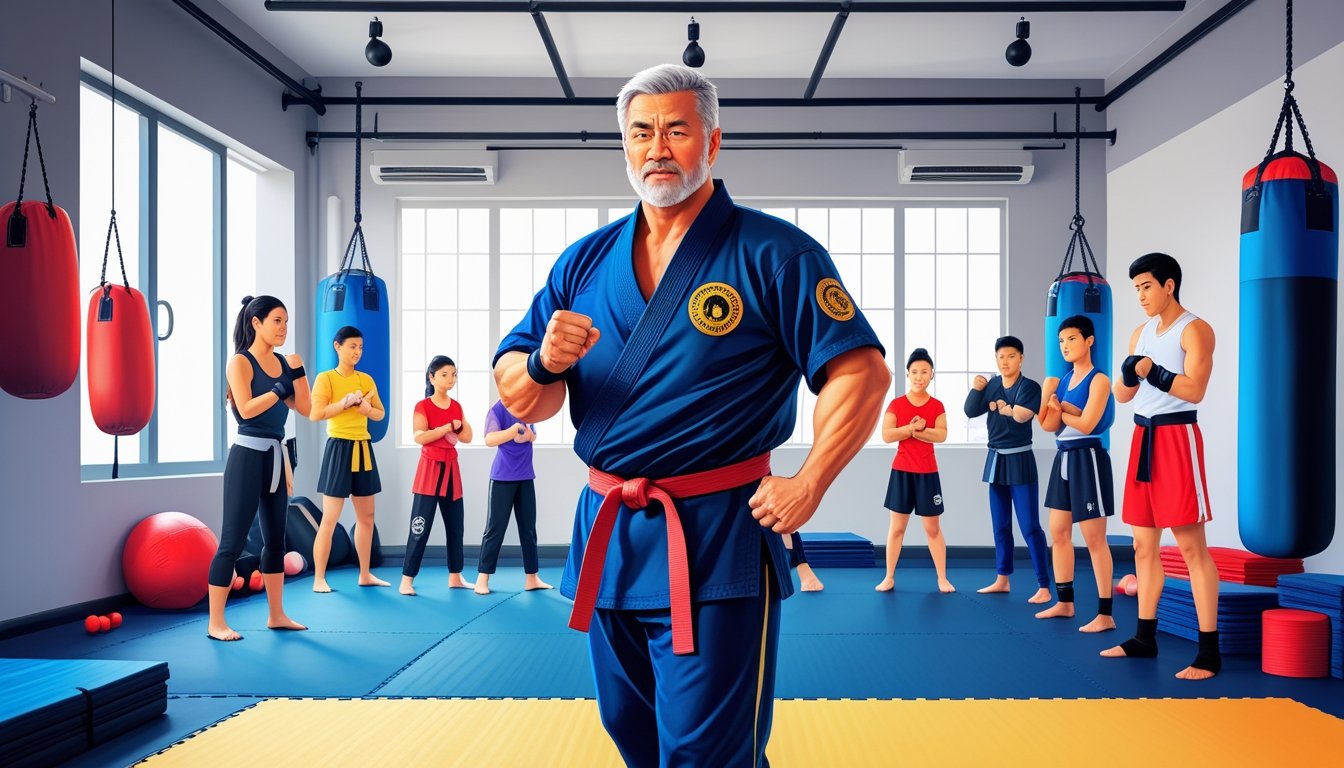
If you want to hire a martial arts coach or prepare for a coaching job, you need to know the right questions to ask. This list of 100 interview questions will help you get the information you need about skills, teaching style, and experience. With so many different martial arts and coaching approaches, it’s important to find someone who fits your needs and goals.
Choosing the right coach can make a big difference in your progress and safety. These questions cover important topics like class management, philosophy, and student development. Use this guide to make your interview process easier and more effective.
Also Check: 100+ Sports Interview Questions for Coaches
General Martial Arts Coaching Interview Questions
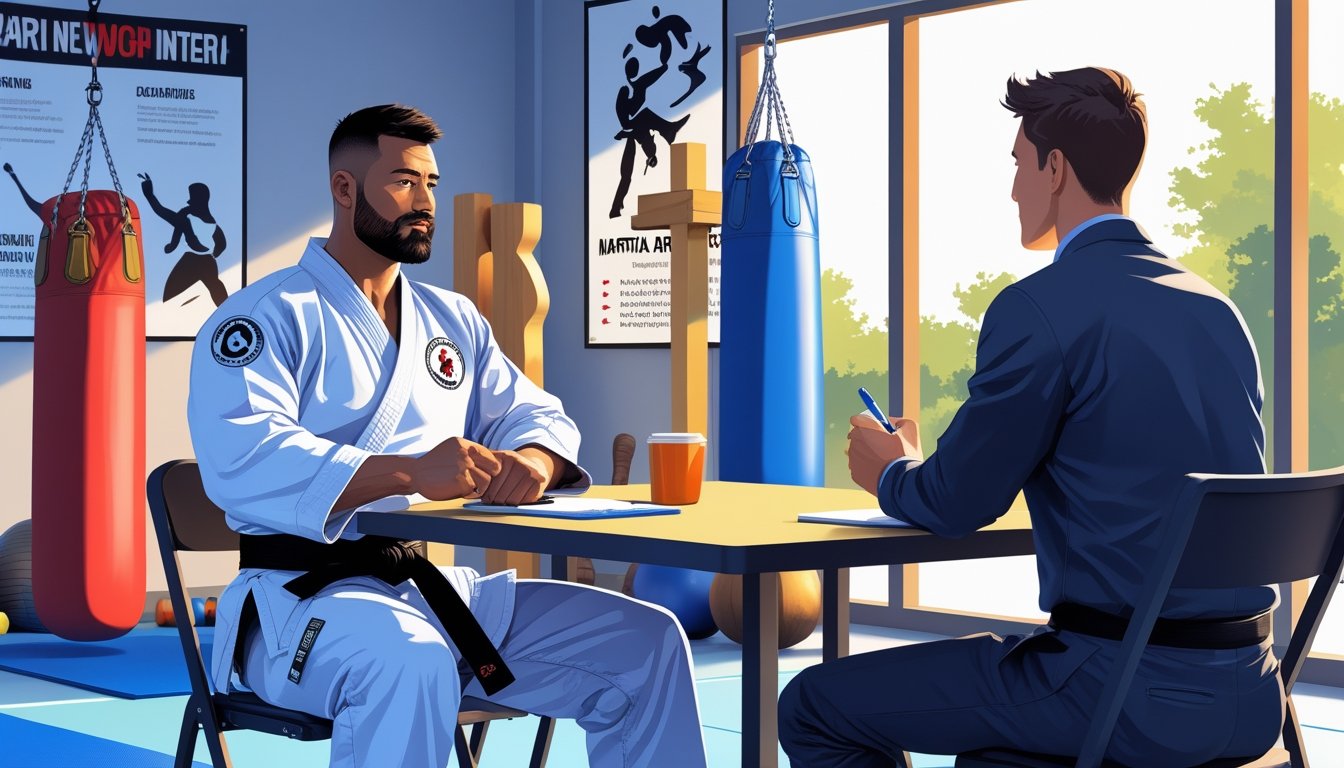
Understanding a coach’s mindset, methods, and experience is important when hiring for a martial arts coach role. These questions help you learn about their values, teaching style, and how they handle training challenges.
Coaching Philosophy: Interview Questions Martial Arts
When you interview a martial arts coach, it’s important to learn about their philosophy. This helps find out what drives their decisions with students. Some coaches focus on discipline and respect, while others might value competition or self-defense.
10 Questions:
- What is your main goal as a martial arts coach?
- How do you define success for your students?
- Which core values do you emphasize in your classes?
- How do you balance discipline and encouragement?
- What role does personal growth play in your teaching?
- How do you motivate students who are struggling?
- How do you deal with students who resist authority?
- What is your view on tradition in martial arts training?
- How do you handle failure or mistakes in your class?
- Do you adapt your philosophy for different students?
Teaching Approaches
Your teaching method shapes how students learn new techniques and improve their skills. Different students need different approaches, so good coaches adjust as needed. Teaching styles can include demonstrations, visual aids, or step-by-step drills.
10 Questions:
- How do you explain a new technique to beginners?
- How do you adjust your teaching for children versus adults?
- What do you do if a technique is hard for a student to learn?
- How do you keep students engaged during routine drills?
- What tools or equipment do you use in your classes?
- How do you include self-defense in your lessons?
- How do you manage a class with mixed skill levels?
- How do you make training safe for all students?
- What’s your strategy for teaching complex moves?
- How do you use feedback from students?
Assessing Student Progress: Interview Questions Martial Arts
Tracking improvement in martial arts is key to student growth. You need reliable ways to measure skills, effort, and attitude. This ensures students are ready to move on to tougher techniques and higher ranks.
10 Questions:
- How do you track student improvement in training?
- What signs show you a student is ready to test for a new belt?
- How often do you assess students’ technique?
- What is your process for giving feedback after a test?
- How do you handle students who are not progressing?
- What tools do you use to measure growth?
- Do you involve students in setting their goals?
- How do you report progress to parents or guardians?
- How do you keep students motivated to improve?
- What role do sparring or competition results play in progress?
Incorporating Different Martial Arts Styles
Some martial arts coaches pull from more than one style to offer a well-rounded training program. Mixing styles can help students learn self-defense, sport techniques, or specific skills for different situations.
10 Questions:
- Which martial arts styles do you teach?
- How do you decide which techniques to include in a class?
- What are the challenges of blending styles?
- How do you make sure students keep basics strong when learning new styles?
- How do you stay updated on new techniques from other styles?
- How do you introduce a new martial art to your students?
- Do you change your teaching method for different styles?
- How do you address student confusion with mixed styles?
- How do you teach students to respect all martial arts traditions?
- In what ways do mixed styles benefit your students?
Technical Skills Assessment: Interview Questions Martial Arts Coach: Essential Guide
Assessing technical skills means looking at your ability to perform key moves and techniques correctly.
Evaluating Technique Mastery
You need to show solid form and control with basic and advanced moves. Coaches focus on how precise and consistent you are, not just how strong you look.
Mistakes like dropping your guard or poor balance make a big difference. Coaches use drills, video review, and even slow-motion breakdowns to see how well you move. They often compare your moves to standard forms or competition footage.
Also Check: 100+ Sports Interview Questions: Expert Tips for Engaging Athletes
Understanding Different Disciplines
It is important to know the main rules and skills of each martial arts style. Gi, no-gi, kickboxing, muay thai, and boxing all have unique techniques and scoring.
List of 100 Interview Questions: Martial Arts Coach Essential Guide
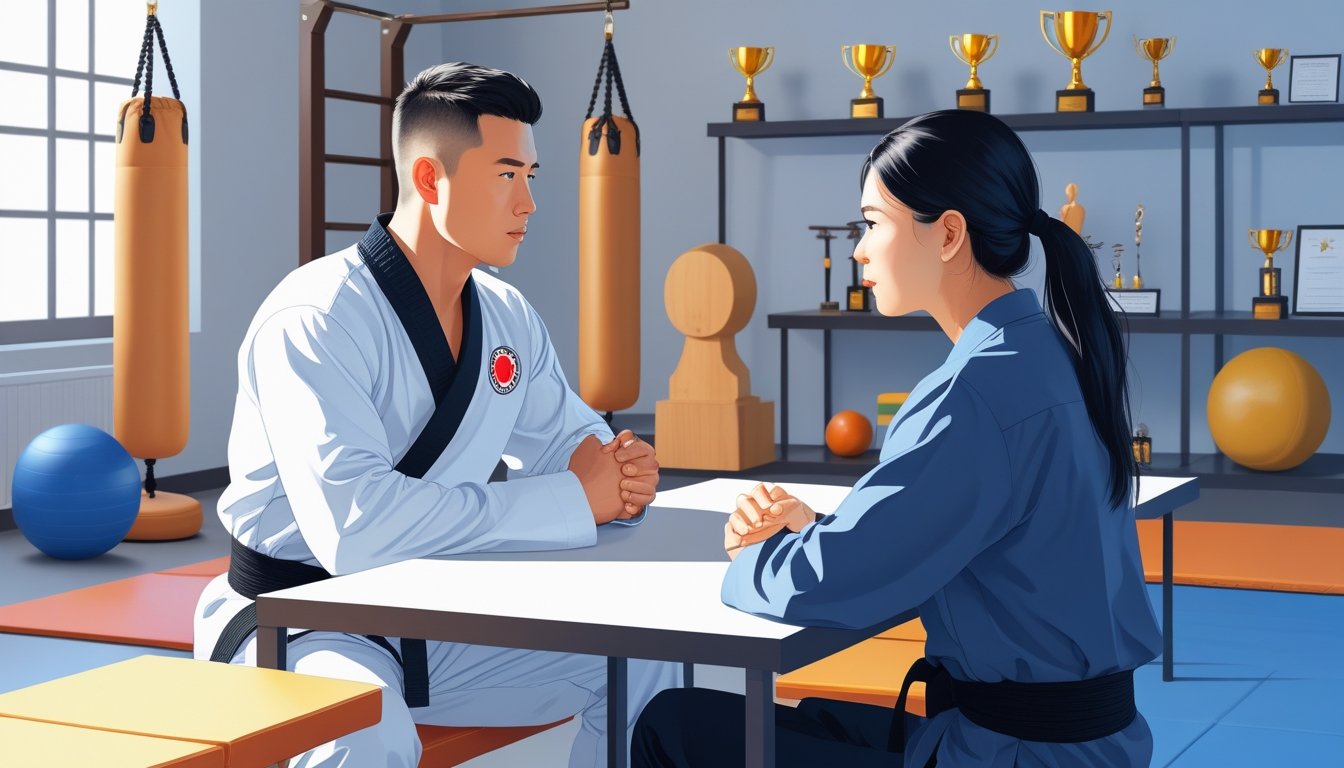
When you interview a martial arts coach or are being interviewed, you want to ask questions that cover their experience, teaching style, and views on famous martial artists like Bruce Lee. Use these questions to learn about their approach and their view on martial arts.
1. What inspired you to become a martial arts coach?
I was inspired to become a martial arts coach because martial arts transformed my life by instilling discipline, confidence, and focus. I wanted to share these benefits with others and help them grow both physically and mentally. Coaching allows me to give back to the community and watch others achieve their potential.
2. How long have you been practicing martial arts?
I have been practicing martial arts for over 15 years, starting in my early teens with Karate. Over time, I expanded my training to include X, Y and Z, which has given me a well-rounded perspective. This extensive experience allows me to coach students at all levels effectively.
3. Which martial arts styles are you trained in?
I am trained primarily in Karate, and Taekwondo. Each discipline has helped me develop different skills—from striking and grappling to flexibility and endurance—which I integrate into my coaching to provide a comprehensive training experience.
4. What certifications or qualifications do you hold?
I hold a black belt in Karate and a purple belt in Brazilian Jitsu, along with a certified personal trainer qualification focused on martial arts conditioning. Additionally, I completed a coaching certification through the World Martial Arts Association, which ensures I follow best practices in teaching and safety.
5. How do you stay motivated in your coaching career?
My motivation comes from seeing students improve and overcome challenges, which is deeply rewarding. I also set personal goals for continuous learning and attend seminars regularly to stay updated with new techniques and coaching methodologies. This keeps my passion alive and my coaching fresh.
6. Who has been your biggest influence or mentor in martial arts?
My first coach has been the biggest influence on my martial arts journey. He taught me the importance of respect, discipline, and humility—values that extend beyond the X (can mention your special technique) technique. His mentorship shaped not only my technical skills but also my approach to coaching others.
7. How do you balance your personal training with coaching others?
I prioritize my schedule by dedicating early mornings or late evenings for personal training to maintain peak physical condition. This balance ensures I lead by example and stay sharp while giving my full attention and energy during coaching sessions. Time management and discipline are key to this balance.
8. What are your long-term goals as a martial arts coach?
My long-term goals include developing a holistic training program that integrates physical skills, mental resilience, and character development. I also aim to mentor the next generation of coaches and expand access to martial arts for diverse communities. Ultimately, I want to create a lasting positive impact through coaching.
9. How do you handle setbacks or failures in your coaching career?
I view setbacks as valuable learning opportunities rather than failures. When challenges arise, I reflect on what went wrong, seek feedback from peers and students, and adjust my methods accordingly. This growth mindset helps me improve continuously and maintain resilience.
10. What is your coaching philosophy?
My coaching philosophy centers on respect, discipline, and continuous improvement. I believe every student has unique potential, and my role is to create a supportive environment that challenges them to grow physically, mentally, and emotionally. Emphasizing character development is as important as teaching techniques.
11. How do you design a training program for beginners?
For beginners, I focus on building a strong foundation by teaching basic techniques, proper form, and safety principles. I incorporate conditioning and flexibility exercises to prepare their bodies gradually. The program is paced to build confidence and prevent overwhelm, ensuring a positive first experience.
12. How do you tailor training for advanced students?
Advanced students receive more complex techniques, sparring drills, and strategic training to refine their skills. I emphasize mental toughness, endurance, and adaptability, pushing them to master both offense and defense. Personalized feedback helps address their specific strengths and weaknesses.
13. How do you assess a student’s progress?
I assess progress through a combination of skill demonstrations, sparring performance, fitness benchmarks, and self-assessments. Regular evaluations help me identify areas needing improvement and adjust training plans. I also encourage students to set personal goals, which fosters ownership of their development.
14. How do you motivate students who are struggling?
When students struggle, I provide personalized encouragement and break down challenges into manageable steps. I celebrate small victories to build their confidence and remind them of their progress. Creating a supportive environment where failure is seen as part of learning helps maintain their motivation.
15. What role does physical conditioning play in your training sessions?
Physical conditioning is fundamental to martial arts; it enhances endurance, strength, and injury prevention. I integrate strength training, cardiovascular exercises, and flexibility work into sessions to ensure students are physically prepared for the demands of martial arts. Conditioning also improves overall performance.
16. How do you incorporate mental training and discipline?
I incorporate mental training through meditation, breathing exercises, and visualization techniques that build focus and stress management. Discussions about martial arts philosophy reinforce discipline and respect. This holistic approach helps students develop resilience both on and off the mat.
17. How do you ensure safety during training?
Safety is a top priority; I enforce proper warm-ups, ensure the use of protective gear, and closely supervise all techniques. I teach students how to fall safely and recognize their limits. Clear rules and constant vigilance help minimize risk and create a secure training environment.
18. How do you handle injuries during practice?
If a student is injured, I stop training immediately and provide first aid as needed. I assess the severity and recommend medical attention if necessary, while adjusting training for the injured student’s recovery. I also educate students on injury prevention to reduce future risks.
19. How do you keep your training sessions engaging and fun?
I keep sessions engaging by varying drills, incorporating partner work, and using games or challenges, especially for younger students. Celebrating milestones and encouraging friendly competition also boosts enthusiasm. An enjoyable atmosphere helps sustain long-term commitment.
20. How do you teach self-defense effectively?
Effective self-defense training focuses on practical, easy-to-learn techniques combined with situational awareness and confidence-building. I simulate real-life scenarios to prepare students mentally and physically. Empowering students to trust their instincts is equally important.
21. How do you build rapport with your students?
I build rapport by actively listening to students’ goals and concerns, showing genuine interest in their progress, and maintaining open communication. Creating a positive and respectful environment fosters trust, which is essential for effective coaching and student growth.
22. How do you handle conflicts between students?
I address conflicts promptly by facilitating calm, respectful conversations between the parties involved. I teach conflict resolution skills and reinforce the importance of respect and teamwork. My goal is to transform conflicts into learning experiences that strengthen the class community.
23. How do you communicate complex techniques to different age groups?
I simplify complex techniques by breaking them down into smaller, manageable steps and using clear demonstrations. For younger students, I use relatable analogies and games, while for adults, I incorporate technical explanations. Adapting communication to the learner’s level ensures better understanding.
24. How do you provide constructive feedback?
I provide feedback by focusing on specific behaviors, balancing positive reinforcement with areas for improvement. I ensure feedback is actionable and delivered respectfully to encourage growth. Regular, clear communication helps students stay motivated and aware of their progress.
25. How do you encourage teamwork in martial arts classes?
I encourage teamwork through partner drills, group challenges, and fostering a culture of mutual support and respect. Highlighting the benefits of cooperation in training helps students develop camaraderie, which enhances motivation and creates a positive learning environment.
26. How do you manage group classes versus one-on-one coaching?
Group classes focus on general skills, fitness, and building community, while one-on-one coaching allows for personalized attention and tailored training plans. I adjust my approach accordingly, ensuring each student receives the right balance of challenge and support based on the setting.
27. How do you handle parents of young students?
I maintain open and transparent communication with parents, providing regular updates on their child’s progress and addressing any concerns. I involve parents in goal-setting and encourage their support at home, which helps reinforce discipline and motivation for young students.
28. How do you foster respect and discipline in your students?
I model respectful behavior and set clear expectations from day one, consistently reinforcing discipline through routines and positive reinforcement. Teaching the values behind martial arts principles helps students internalize respect for themselves and others.
29. How do you handle a student who is not following instructions?
I address non-compliance calmly by explaining why following instructions is important for safety and progress. If necessary, I implement appropriate consequences while remaining supportive. Understanding the root cause helps me adapt my approach to better engage the student.
30. How do you adapt your coaching style to different personalities?
I observe each student’s learning style, motivation, and temperament, then tailor my communication and teaching methods accordingly. Some students respond better to encouragement, others to challenge, so flexibility in coaching ensures everyone can thrive.
31. How do you prepare students for competitions?
I develop comprehensive training plans that focus on refining techniques, improving conditioning, and building mental toughness. I simulate competition scenarios and teach strategic thinking to help students perform confidently under pressure. Regular feedback and goal setting keep them focused.
32. What is your experience with coaching competitive fighters?
I have coached fighters at regional and national levels, helping them enhance technical skills, physical conditioning, and psychological readiness. My approach emphasizes personalized strategies and mental resilience to navigate the pressures of competition effectively.
33. How do you handle pressure situations during competitions?
I teach students breathing exercises, visualization, and positive self-talk to manage stress. Emphasizing process over outcome helps reduce anxiety, enabling them to stay focused and perform at their best even under high pressure.
34. How do you analyze opponents and prepare strategies?
I review video footage to identify opponents’ strengths and weaknesses, then develop tailored tactics that exploit their vulnerabilities while maximizing my student’s strengths. Strategy sessions include scenario planning and adaptive techniques for in-competition adjustments.
35. How do you help students recover from losses?
I encourage reflection by discussing what can be learned from the experience and focusing on growth rather than failure. Setting new, achievable goals helps rebuild confidence, while emotional support ensures students stay motivated to continue improving.
36. How do you balance competition training with general martial arts practice?
I schedule dedicated periods for competition-specific training while maintaining regular foundational practice to ensure well-rounded development. This balance prevents burnout and keeps students engaged with both the technical and strategic aspects of martial arts.
37. What role does nutrition play in your coaching?
Nutrition is critical for energy, recovery, and overall performance. I provide general guidance on healthy eating habits and hydration, and when necessary, refer students to nutrition experts to tailor plans that support their training and competition goals.
38. How do you track and improve a student’s performance metrics?
I use regular skill assessments, fitness tests, and video analysis to monitor progress objectively. Tracking these metrics over time helps identify strengths and areas for improvement, allowing me to adjust training plans and set realistic, measurable goals.
39. How do you use video analysis or technology in coaching?
I utilize video analysis to break down techniques, highlight errors, and track progress visually. Technology also helps in creating training plans, monitoring fitness data, and providing students with feedback they can review outside of class, enhancing learning efficiency.
40. How do you set realistic goals for your students?
I collaborate with students to set SMART goals based on their skill level, interests, and commitment. Breaking long-term goals into smaller milestones keeps motivation high and allows for regular celebration of progress.
Professionalism & Development
- How do you keep your martial arts knowledge up to date?
- How do you handle criticism from students or peers?
- What do you do to improve your coaching skills?
- How do you manage your time between coaching, training, and personal life?
- How do you market your coaching services?
- How do you build a loyal student base?
- How do you handle administrative tasks related to coaching?
- How do you collaborate with other coaches or gyms?
- How do you ensure inclusivity and diversity in your classes?
- How do you handle ethical dilemmas in coaching?
Scenario-Based Questions
- What would you do if a student is being bullied outside of class?
- How would you handle a student who is disrespectful to others?
- How would you react if a student shows signs of burnout?
- What steps would you take if a student wants to quit martial arts?
- How would you manage a class with mixed skill levels?
- How would you approach teaching martial arts to children with special needs?
- How do you handle a parent who is overly critical of your coaching?
- What would you do if a student is caught cheating during a competition?
- How would you deal with a student who is not improving despite effort?
- How would you respond if a student gets injured during class?
Technical & Tactical Knowledge
- What is your favorite martial arts technique and why?
- How do you teach proper striking techniques?
- How do you train students in grappling and ground fighting?
- How do you incorporate weapons training (if applicable)?
- How do you develop speed and agility in your students?
- How do you teach breathing techniques and meditation?
- How do you train students to improve flexibility?
- What drills do you recommend for improving reflexes?
- How do you prepare students for real-life self-defense situations?
- What are common mistakes beginners make and how do you correct them?
Fitness & Health
- How do you incorporate strength training into martial arts coaching?
- How important is cardiovascular fitness in martial arts?
- How do you address nutrition with your students?
- How do you manage recovery and rest periods in training?
- What advice do you give for injury prevention?
- How do you adapt training for students with physical limitations?
- How do you measure physical fitness progress?
- How do you encourage a healthy lifestyle outside of class?
- How do you handle weight management for competitive students?
- What role does mental health play in martial arts training?
Miscellaneous
- How do you handle cultural differences in martial arts?
- How do you incorporate traditional values into modern training?
- What is your experience with teaching martial arts online or virtually?
- How do you handle equipment maintenance and safety?
- How do you organize martial arts events or seminars?
- How do you stay inspired to innovate your coaching methods?
- How do you handle students who want to cross-train in other martial arts?
- How do you encourage lifelong learning in martial arts?
- What do you believe is the biggest misconception about martial arts?
- How do you measure success as a martial arts coach?
Reflective & Personal Insight
- What has been your most rewarding coaching experience?
- What is the biggest challenge you have faced as a coach?
- How do you handle criticism or negative feedback?
- What qualities do you think make a great martial arts coach?
- How do you define discipline in martial arts?
- What advice would you give to someone starting martial arts coaching?
- How do you maintain humility despite your expertise?
- What do you enjoy most about coaching martial arts?
- How do you handle the emotional aspects of coaching?
- Where do you see the future of martial arts coaching heading?
Mental and Psychological Aspects: Martial Arts Coach
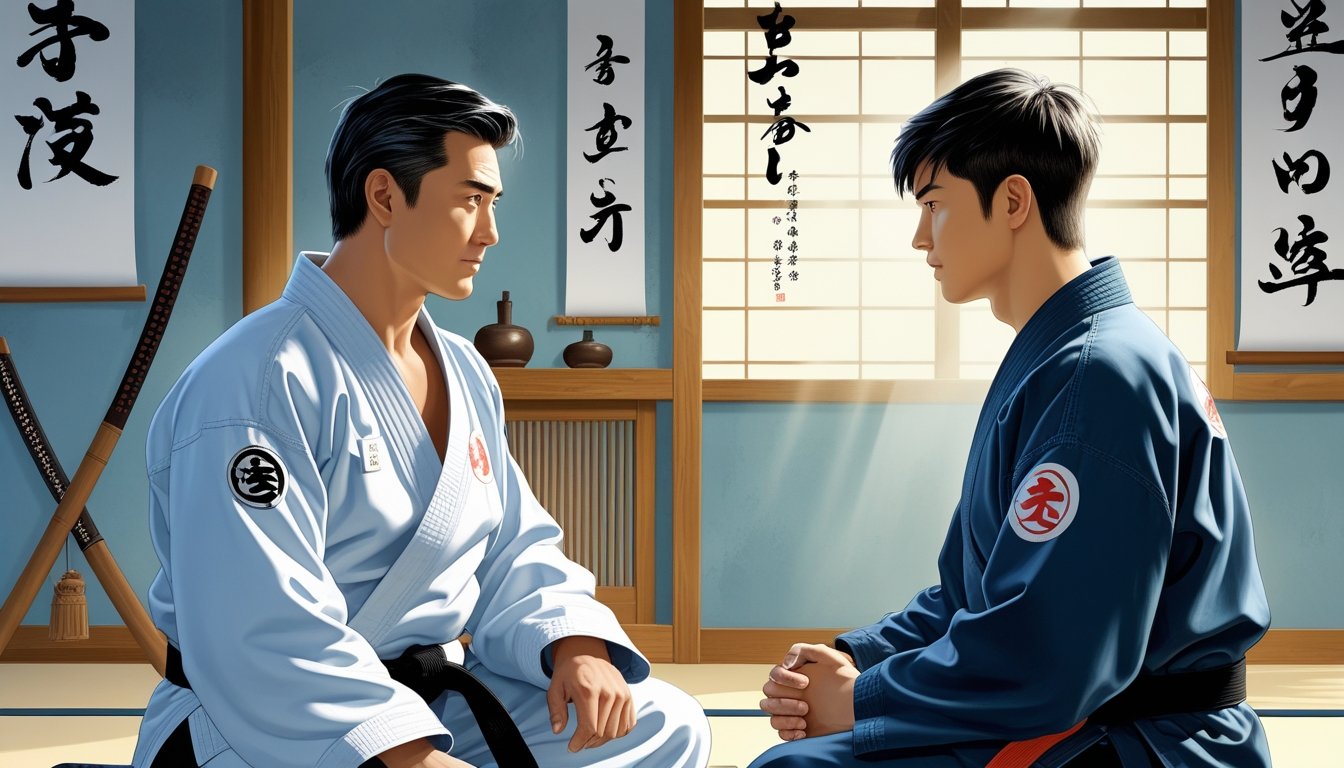
Martial arts is not just about physical skill. You must guide your students through mental challenges, teaching them how to handle stress, fear, and self-doubt while building inner strength.
Also Check: Top 50 Interview Questions for Freshers: Insights for Success
Developing Mental Toughness
Mental toughness helps students keep going during hard training and competition. You can develop this by setting clear goals, providing challenges, and praising effort as much as results. Encourage students to focus on what they can control, like their effort and attitude.
Ways to build mental toughness:
- Lead tough but fair training sessions.
- Teach students to accept failure as part of learning.
- Share stories of athletes who overcame setbacks.
- Encourage positive self-talk and visualization techniques.
Your support and consistency help students stay calm under pressure. When you highlight progress, not just wins, students learn to push through obstacles. Track growth in a journal to make improvements clear.
Overcoming Fear
Fear, such as fear of injury or public performance, is common in martial arts. You need to create a safe learning environment so students can share their worries. Listen carefully when students talk about what scares them.
Use these steps to help students manage fear:
- Start new skills slowly and increase difficulty over time.
- Demonstrate safe techniques to lower the risk of injury.
- Reassure students that fear is normal and discuss how to face it.
- Practice breathing exercises and calm routines before tests or matches.
By breaking big challenges into small, controlled steps, students learn to trust themselves. When you show that failure is not something to fear, students become braver both in and out of class.
Building Confidence in Students
Confidence grows when students see progress and know their hard work pays off. Give specific feedback on what they do well and where they can improve. Use role-play or practice scenarios to let them experience success in a supportive setting.
Tips for building confidence:
- Set small, achievable goals for every session.
- Celebrate milestones, even if they seem minor.
- Rotate partners so everyone experiences working with different people.
- Encourage students to teach or demonstrate moves to the group.
The right challenges and encouragement make students believe in themselves. A confident student is more willing to try new things, speak up, and help others, which improves the whole training environment.
Frequently Asked Questions
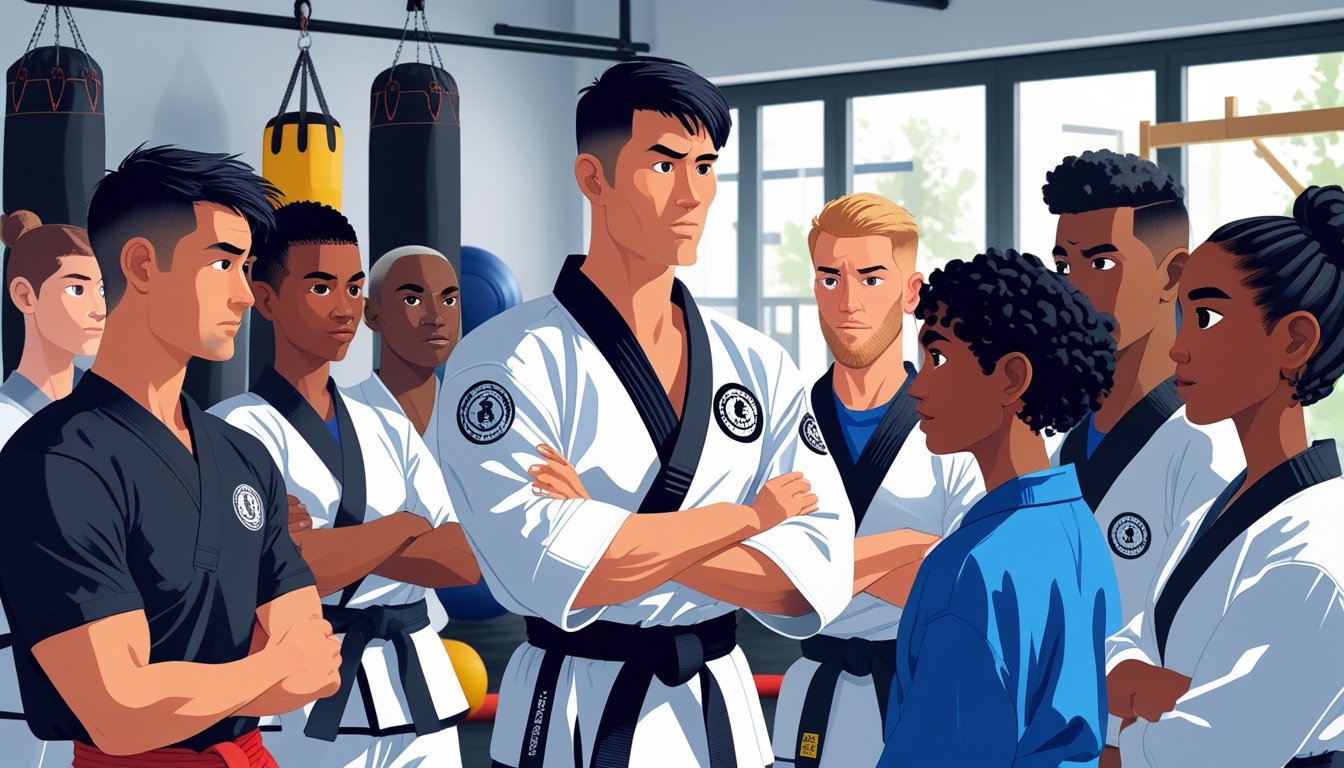
You need to know how to recognize student potential, track progress, and adjust training for each person. Safety, discipline, and clear steps for competition practice are all important.
What are the key qualities you look for in a martial arts student?
You should look for respect, focus, and commitment. Good students listen, try their best, and follow rules in the dojo. A positive attitude and a willingness to learn matter just as much as skill.
What methods do you use to evaluate and track student progress?
You can use belt tests, regular skill assessments, and feedback from both coaches and students. Keeping training logs and personal goals helps you see improvement over time.
Short check-ins allow you to make fast changes if needed.
Could you share your experience in preparing athletes for competitions?
You can guide athletes through focused drills, sparring, and practice matches. You may also set up mock competitions to build confidence.
Teaching mental skills like preparation and handling nerves is key to doing well.
Can you describe how you structure a typical training session?
Warm-ups and stretching come first to prevent injuries. You split the session into technique practice, drills, and controlled sparring.
Cool-downs and feedback wrap up each class.
How do you tailor coaching techniques to fit individual student needs?
You should talk directly with each student to learn about their strengths and weaknesses. Use different drills and teaching styles to suit age, physical ability, and learning speed. Private or small group coaching helps target specific areas.
How do you handle discipline and safety during practice?
You explain rules and expectations clearly at the start. Safe techniques, protective equipment, and supervision keep everyone protected.
If there are problems, you address them with calm reminders or corrections before moving on.
All the Best!