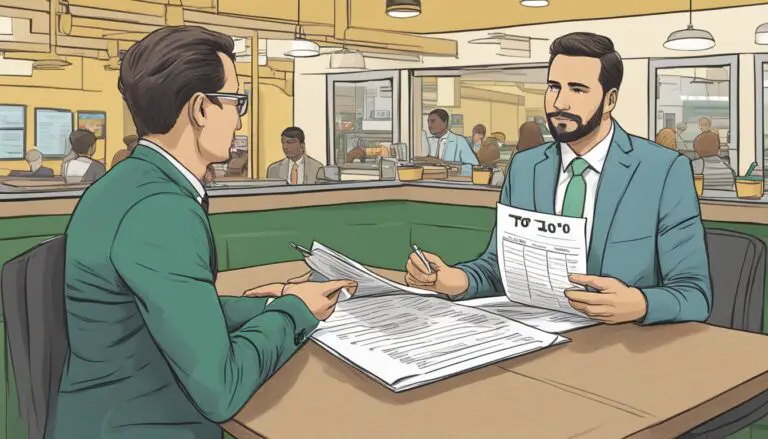
100 Interview Questions ABB Canada: Preparation Guide


Looking to land a job at ABB Canada? You’ll want to prepare for the interview by knowing the questions you might be asked. This blog post lays out 100 interview questions that are common at ABB Canada, making it simple for you to get ready.
Whether you’re applying for an engineering, management, or support role, this resource covers a wide range of topics.
You’ll find both technical and behavioral questions, helping you practice and boost your confidence before the interview.
- Top ABB Canada Interview Questions
- Role-Specific ABB Canada Interview Questions
- List of 100 Interview Questions ABB Canada (with Sample Answers)
- Technical & Engineering Questions
- HR & Culture Fit Questions
- Behavioral Questions
- Situational Questions
- Project Management Questions
- Sales & Marketing Questions
- Customer Service & Support
- Analytical & Problem-Solving
- Adaptability & Learning
- ABB-Specific & Company Fit
- Frequently Asked Questions ABB Canada
Top ABB Canada Interview Questions

Interviewing at ABB Canada may include common, technical, behavioral, and situational questions. You should know how to answer questions that test your knowledge, skills, and workplace behavior.
Most Common Interview Questions
These questions help ABB Canada learn about your background, goals, and motivation. They are usually asked first and set the tone for the interview.
10 Sample Questions:
- Tell me about yourself.
- Why do you want to work at ABB Canada?
- What are your greatest strengths?
- What is your biggest weakness?
- Where do you see yourself in five years?
- Why should we hire you?
- How did you learn about this position?
- What do you know about ABB Canada?
- Why are you leaving your current job?
- Can you describe your ideal work environment?
Interviewers want clear, direct answers. Prepare specific examples from your experience. Speak about your skills and how they match the job.
Technical Interview Questions
Technical questions test what you know and how you solve work-related problems. The topics depend on the job you apply for, such as engineering, IT, or manufacturing roles.
10 Sample Questions:
- Explain how a PLC system works.
- What steps do you take to troubleshoot machine failure?
- Name the types of electrical protection systems you have used.
- Describe your experience with automation programming.
- How do you read and interpret electrical schematics?
- What is the difference between AC and DC drives?
- How do you test for continuity in circuits?
- Describe a technical challenge you solved in your last job.
- What safety procedures do you follow when working with high voltage?
- Explain the role of ________ in automation systems.
Use examples from your past jobs to show your technical ability. Give step-by-step answers when you can.
Behavioral Interview Questions
Behavioral questions look at how you have handled situations in the past. Your answers help interviewers predict how you will behave on the job.
10 Sample Questions:
- Tell me about a time you worked in a team.
- Describe a time you had a conflict at work and how you resolved it.
- Give an example of when you took the lead on a project.
- How do you handle tight deadlines?
- Tell me about a time you failed and what you learned.
- Describe a time you received constructive feedback.
- How do you prioritize your work?
- Tell me about a time you went above and beyond.
- Describe a difficult problem you solved.
- Give an example of how you handle stress at work.
Focus on what you did and the outcome.
Situational Interview Questions
Situational questions ask how you would act in a possible work scenario. These measure your judgment and problem-solving skills.
10 Sample Questions:
- What would you do if you disagreed with your manager?
- How would you handle a project that is falling behind schedule?
- What steps would you take if a team member was not contributing?
- How would you deal with an unhappy client?
- What would you do if you were assigned a task outside your skill set?
- How would you address a safety hazard you noticed at work?
- What if you missed an important project deadline?
- How would you respond to sudden changes in project requirements?
- What would you do if you received unclear instructions?
- How would you manage tasks if you had multiple urgent deadlines?
Think carefully about the scenario before you answer. Show that you stay calm, think clearly, and follow company policies. Use practical solutions that focus on teamwork and results.
Role-Specific ABB Canada Interview Questions

Each job at ABB Canada has its own set of important interview questions. The focus is on your technical skills, practical experience, and how you solve problems specific to each role.
Engineering Position Interview Questions
In engineering roles at ABB Canada, you can expect questions about both theory and real-world application. You may be asked about electrical circuits, automation systems, or troubleshooting industrial equipment.
Common questions include:
- “Describe a time you solved a technical problem at work.”
- “How would you design a safe and efficient control panel?”
- “What standards do you follow when testing equipment?”
Tip: Bring examples from your past work. Use simple terms to explain complex systems.
Sales and Marketing Interview Questions
If you are applying for sales and marketing, your interview will focus on your ability to understand and sell industrial products or services. You will get questions about your sales experience, your knowledge of ABB Canada’s products, and your approach to meeting targets.
Sample questions include:
- “How would you approach a new client in the manufacturing sector?”
- “Can you describe a time you exceeded a sales goal?”
- “How do you stay updated on industry trends and competitors?”
You will likely be asked to role-play a sales pitch. Interviewers may also ask you how you deal with difficult clients or negotiate contracts.
Table: Sales Traits Interviewers Look For
| Trait | Example Question |
|---|---|
| Communication | “Explain our product to a client.” |
| Persuasiveness | “How do you close a difficult sale?” |
| Product Knowledge | “What makes ABB’s products unique?” |
Project Management Interview Questions
For project management, interviewers want to know how you deliver projects on time and on budget. They are interested in your experience working with teams, handling risks, and solving problems when things go wrong.
Typical questions include:
- “Tell us about a project you managed from start to finish.”
- “How do you handle changes in project scope?”
- “What project management tools do you use?”
You might be given a hypothetical project scenario and be asked to plan the steps, set deadlines, and identify risks.
List of 100 Interview Questions ABB Canada (with Sample Answers)

Technical & Engineering Questions
- What experience do you have with IEC or ANSI standards?
Sample Answer: I have applied IEC standards in electrical panel design, ensuring compliance and safety in all projects. - Describe your experience with industrial communication protocols.
Sample Answer: I know device integration in manufacturing plants. - How do you ensure the reliability of automated systems?
Sample Answer: By implementing redundancy, regular maintenance, and real-time monitoring, I minimize downtime. - Explain the process of load calculation for a new electrical installation.
Sample Answer: I assess equipment ratings, apply diversity factors, and ensure the total load doesn’t exceed panel capacity. - What is the function of a soft starter in motor control?
Sample Answer: It gradually increases voltage to reduce inrush current, protecting the motor and extending its lifespan. - Describe a time you implemented a cost-saving technical solution.
- How do you handle obsolete automation components in legacy systems?
Sample Answer: I evaluate retrofit options and plan phased upgrades to minimize operational disruption. - What’s your approach to troubleshooting intermittent faults?
Sample Answer: I gather data logs, isolate variables, and systematically test each component to identify the root cause. - How do you ensure safe lockout/tagout procedures?
Sample Answer: I follow company protocols, verify zero energy state, and document each step before maintenance. - Describe your experience with distributed control systems (DCS).
Sample Answer: I’ve configured XYZ DCS systems for process plants, optimizing control loops and alarm management. - What factors do you consider when selecting sensors for automation?
Sample Answer: I consider the measurement range, accuracy, environmental conditions, and communication compatibility. - How do you document modifications to control logic?
Sample Answer: I annotate code, update schematics, and maintain a change log for traceability. - Explain the significance of power factor correction.
Sample Answer: It reduces reactive power, lowers utility costs, and improves equipment efficiency. - How do you verify the integrity of safety interlocks?
Sample Answer: I perform regular functional testing and validate wiring against schematics. - What’s your experience with remote monitoring of industrial assets?
Sample Answer: I’ve set up gateways and dashboards for real-time asset health monitoring. - How do you approach process optimization in manufacturing?
Sample Answer: I analyze KPIs, identify bottlenecks, and implement automation improvements for higher throughput. - Describe a project where you integrated multiple vendor systems.
- How do you handle technical documentation for audits?
Sample Answer: I keep organized, up-to-date digital records and ensure all changes are logged. - What’s your experience with industrial cybersecurity?
Sample Answer: I’ve implemented network segmentation, access controls, and regular patching to protect systems. - How do you calculate short-circuit current for switchgear selection?
Sample Answer: I use system data and manufacturer formulas to ensure switchgear can safely interrupt fault currents.
HR & Culture Fit Questions
- How do you contribute to a diverse and inclusive workplace?
Sample Answer: I value different perspectives, encourage open dialogue, and support inclusive hiring practices. - What steps do you take to maintain confidentiality?
Sample Answer: I restrict sensitive information to authorized personnel and follow company data policies. - How do you handle disagreements with HR policies?
Sample Answer: I discuss my concerns with HR, seek to understand the rationale, and adapt as needed. - Describe a time you advocated for a team member.
Sample Answer: I supported a colleague’s request for flexible hours, presenting a business case to management. - How do you keep yourself updated on industry regulations?
Sample Answer: I attend webinars and subscribe to industry newsletters to stay informed. - What makes you a good fit for ABB Canada’s culture?
Sample Answer: I’m collaborative, safety-focused, and thrive in innovative, diverse environments. - How do you ensure fairness in performance evaluations?
Sample Answer: I use objective criteria, gather feedback from multiple sources, and document evaluations. - What’s your approach to continuous professional development?
Sample Answer: I set yearly learning goals and pursue relevant certifications and training. - How do you handle ethical dilemmas at work?
Sample Answer: I follow company ethics guidelines, consult with supervisors, and make transparent decisions. - Describe your experience working in a unionized environment.
Sample Answer: I’ve collaborated with union reps to resolve grievances and ensure contract compliance.
Behavioral Questions
- Tell me about a time you had to quickly resolve a customer complaint.
Sample Answer: I listened to the customer, identified the issue, and arranged a replacement within 24 hours. - Describe a situation where you had to learn a new skill fast.
Sample Answer: I taught myself a new PLC language in a week to support a critical project. - How do you handle feedback you disagree with?
Sample Answer: I listen carefully, ask clarifying questions, and consider the feedback objectively before responding. - Give an example of a time you had to motivate a team during a tough project.
Sample Answer: I set clear milestones, celebrated small wins, and maintained open communication. - Describe a time you managed conflicting deadlines.
Sample Answer: I prioritized based on impact, communicated with stakeholders, and delegated tasks where possible. - Tell me about a time you improved a process.
Sample Answer: I streamlined the work order process, reducing approval time by 30%. - Describe a time you worked with a difficult stakeholder.
Sample Answer: I scheduled regular check-ins, listened to their concerns, and found common ground. - How do you ensure your work aligns with company goals?
Sample Answer: I review strategic objectives and check in with my manager regularly. - Tell me about a time you had to make a decision with limited information.
Sample Answer: I gathered as much data as possible, consulted experts, and made a timely, informed choice. - Describe a time you supported a colleague’s professional growth.
Sample Answer: I mentored a junior engineer, helping them develop troubleshooting skills.
Situational Questions
- What would you do if a client requested a feature outside project scope?
Sample Answer: I’d assess the impact, discuss with the project manager, and communicate options to the client. - How would you handle a safety violation by a senior employee?
Sample Answer: I’d address it directly, follow protocol, and ensure consistent enforcement regardless of rank. - What steps would you take if you noticed declining team morale?
Sample Answer: I’d seek feedback, address concerns, and organize team-building activities. - How would you respond to a sudden change in project priorities?
Sample Answer: I’d reallocate resources, update the team, and adjust timelines as needed. - If you discovered a process inefficiency, what would you do?
Sample Answer: I’d document the issue, propose a solution, and seek management approval to implement changes. - How would you handle a project that’s over budget?
Sample Answer: I’d review expenses, identify cost-saving measures, and update stakeholders on corrective actions. - What would you do if you were assigned to a project with unfamiliar technology?
Sample Answer: I’d research the technology, seek training, and consult with experts. - If a customer was dissatisfied with a delivered product, how would you handle it?
Sample Answer: I’d listen to their concerns, investigate the issue, and offer a prompt resolution. - How would you ensure a smooth handover between project phases?
Sample Answer: I’d maintain thorough documentation and hold transition meetings with all stakeholders. - What would you do if you noticed a recurring safety incident?
Sample Answer: I’d investigate root causes, implement corrective measures, and reinforce training.
Project Management Questions
- How do you handle scope changes during a project?
Sample Answer: I document change requests, assess impact, and seek client approval before proceeding. - Describe your experience with Earned Value Management (EVM).
Sample Answer: I use EVM to track project performance and forecast completion costs. - How do you manage project risks?
Sample Answer: I identify risks early, assign owners, and monitor mitigation plans throughout the project. - What’s your approach to stakeholder management?
Sample Answer: I engage stakeholders early, keep them informed, and address concerns proactively. - Describe a project where you managed cross-functional teams.
Sample Answer: I coordinated engineers, procurement, and QA to deliver a turnkey automation project on schedule. - How do you ensure project documentation is maintained?
Sample Answer: I use centralized repositories and enforce version control standards. - How do you handle resource conflicts between projects?
Sample Answer: I negotiate with project leads and reprioritize tasks based on business needs. - Describe your experience with Lean or Six Sigma methodologies.
Sample Answer: I’ve led Kaizen events and used Six Sigma tools to reduce process variation. - How do you ensure quality assurance in project delivery?
Sample Answer: I establish clear QA checkpoints and involve QA early in the project lifecycle. - What tools do you use for project scheduling and tracking?
Sales & Marketing Questions
- How do you research potential clients in the industrial sector?
Sample Answer: I use industry databases, LinkedIn, and trade publications to identify and profile leads. - Describe your approach to value-based selling.
Sample Answer: I focus on understanding client needs and demonstrating how ABB’s solutions deliver measurable ROI. - How do you handle long sales cycles?
Sample Answer: I maintain regular contact, provide ongoing value, and nurture relationships until the client is ready. - Describe a time you turned around a lost sales opportunity.
Sample Answer: I re-engaged the client with a tailored solution, addressing their pain points and winning the contract. - How do you keep up with competitors’ offerings?
Sample Answer: I monitor competitor websites, attend industry events, and gather feedback from clients. - How do you approach upselling to existing clients?
Sample Answer: I identify additional needs during regular reviews and present relevant ABB products. - Describe your experience with technical product demonstrations.
Sample Answer: I’ve conducted live demos for automation solutions, highlighting features and answering technical questions. - How do you prepare for a client negotiation?
Sample Answer: I research the client’s business, define my goals, and prepare alternative solutions. - What’s your strategy for entering new markets?
Sample Answer: I analyze market trends, identify key players, and develop targeted marketing campaigns. - How do you measure your sales performance?
Sample Answer: I track KPIs such as conversion rate, sales growth, and customer retention.
Customer Service & Support
- Describe your experience supporting industrial clients.
Sample Answer: I provide technical assistance, troubleshoot issues, and ensure client satisfaction with ABB solutions. - How do you handle urgent service requests?
Sample Answer: I prioritize based on impact, communicate ETAs, and coordinate resources for fast resolution. - What’s your approach to documenting service calls?
Sample Answer: I log issues, actions taken, and outcomes in the CRM for future reference. - How do you manage customer expectations during downtime?
Sample Answer: I provide regular updates, explain the situation, and set realistic timelines. - Describe a time you resolved a complex technical issue for a customer.
Sample Answer: I coordinated with engineering to diagnose a software bug and provided a patch within 48 hours. - How do you ensure follow-up after a service visit?
Sample Answer: I check in with the client to confirm resolution and offer further assistance if needed. - How do you handle difficult or irate customers?
Sample Answer: I remain calm, listen actively, and work to resolve their issue promptly. - Describe your experience with remote troubleshooting tools.
Sample Answer: I use remote desktop and diagnostic software to resolve issues without onsite visits. - How do you track and analyze service trends?
Sample Answer: I use CRM reports to identify recurring issues and recommend preventive actions. - What steps do you take to ensure customer satisfaction?
Sample Answer: I solicit feedback, address concerns quickly, and strive to exceed expectations.
- Describe your leadership style.
Sample Answer: I’m a collaborative leader who empowers team members and encourages continuous improvement. - How do you handle underperforming team members?
Sample Answer: I set clear expectations, provide coaching, and track progress with regular check-ins.
83. Describe a time you managed a high-performing team.
Sample Answer: I led a project team that exceeded its targets by fostering open communication, recognizing achievements, and encouraging innovation.
84. How do you delegate tasks effectively?
Sample Answer: I match tasks to team members’ strengths, provide clear instructions, and monitor progress while offering support as needed.
85. How do you ensure your team meets tight deadlines?
Sample Answer: I break down projects into milestones, assign responsibilities, and hold regular check-ins to track progress and address challenges quickly.
86. How do you motivate your team during challenging projects?
Sample Answer: I keep morale high by celebrating small wins, maintaining transparency, and encouraging input on overcoming obstacles.
87. Describe a time you had to mediate a conflict between team members.
Sample Answer: I facilitated a discussion, listened to both sides, and helped them find common ground, resulting in improved collaboration.
88. How do you support professional development for your team?
Sample Answer: I identify growth opportunities, recommend relevant training, and encourage participation in cross-functional projects.
89. What would you do if your team was resistant to change?
Sample Answer: I’d communicate the reasons for change, involve the team in planning, and address their concerns through open dialogue.
90. How do you balance multiple projects as a manager?
Sample Answer: I prioritize based on business impact, allocate resources efficiently, and use project management tools to stay organized.
Analytical & Problem-Solving
91. How do you approach troubleshooting a recurring issue?
Sample Answer: I analyze incident data, identify patterns, involve relevant experts, and implement long-term corrective actions.
92. Describe a time you used data to make a business decision.
Sample Answer: I analyzed production metrics to identify a bottleneck, then recommended process changes that improved throughput.
93. How do you handle incomplete information when solving problems?
Sample Answer: I gather as much data as possible, consult with stakeholders, and make the best decision based on available evidence.
94. Describe a complex problem you solved and the steps you took.
Sample Answer: I led a root-cause analysis on repeated equipment failures, coordinated cross-functional input, and implemented a sustainable fix.
95. How do you ensure your solutions are sustainable and scalable?
Sample Answer: I consider long-term impacts, involve end-users in testing, and document solutions for future reference.
Adaptability & Learning
96. How do you stay current with industry trends and technologies?
Sample Answer: I regularly attend webinars, read trade publications, and participate in professional networks.
97. Describe a time you had to quickly adapt to a major change at work.
Sample Answer: When our team shifted to remote work, I quickly learned new collaboration tools and helped others adjust.
98. What steps do you take when learning a new tool or system?
Sample Answer: I start with tutorials, practice in a test environment, and seek advice from experienced colleagues.
ABB-Specific & Company Fit
99. Why do you think ABB Canada is the right place for your career?
Sample Answer: ABB’s commitment to innovation, sustainability, and employee growth aligns perfectly with my values and professional goals.
100. How would you contribute to ABB Canada’s mission and values?
Sample Answer: By delivering high-quality work, fostering teamwork, and continuously seeking ways to innovate and improve processes.
Frequently Asked Questions ABB Canada

Interviews at ABB Canada often focus on your technical knowledge, ability to solve problems, and how you approach teamwork.
Hiring managers want to see strong communication, experience with real-life scenarios, and your understanding of the company culture.
What are some common technical questions asked in ABB Canada interviews?
You may be asked to explain how you would troubleshoot electrical systems or describe the steps to test automation equipment. You might need to discuss process control, PLC programming, or handling safety situations.
Questions can also cover technical concepts related to mechanical and electrical engineering.
What can you tell me about the culture at ABB Canada?
The work environment is professional and collaborative. Employees are encouraged to share ideas and work together to solve problems.
Respect, safety, and diversity are important values at ABB Canada.
How should an applicant prepare for a behavioral interview at ABB Canada?
Use the Result based approach when answering behavioral questions. Prepare examples from your past roles that show your teamwork, leadership, and communication skills.
Practice explaining how you handle challenges and learn from mistakes.
What skills and qualities do ABB Canada look for in potential employees?
Strong technical knowledge, attention to detail, and effective communication are valued. ABB Canada also looks for candidates who are adaptable, safety-focused, and able to work well in teams.
Problem-solving and willingness to learn are important.
Can you provide examples of situation-based questions that ABB Canada might ask?
You may be asked, “Tell me about a time you had to fix a critical issue under pressure.” Another question could be, “Describe a situation where you worked with someone who disagreed with your approach.”
Questions like these look for how you act in real scenarios.
What is the best way to showcase problem-solving abilities in an ABB Canada interview?
Clearly explain the problem, your steps to analyze it, and the outcome. Use real examples from work or school.
It helps to explain how your solution made a positive impact and what you learned from the experience.
All the Best!